Non-Resident Landlord Withholding Tax (NLWT) Guide: Understanding Rental Income Taxation for Non-Resident Landlords in Ireland


Are you a non-resident landlord with rental properties in Ireland? Or perhaps you’re an individual or company representing non-resident landlords in managing their rental income? If so, it’s crucial to stay informed about the latest legislative changes that will affect you starting from July 1, 2023. One such change is the introduction of the Non-Resident Landlord Withholding Tax (NLWT) system.
In this comprehensive guide, we’ll walk you through the key aspects of the NLWT system, explaining what it entails, how it impacts non-resident landlords, and the pivotal role of collection agents in ensuring compliance with the new regulations. With our expert insights, you’ll gain a clear understanding of NLWT, empowering you to navigate the evolving landscape of non-resident landlord taxation with confidence.
- Understanding Non-Resident Landlord Withholding Tax (NLWT)
- The Role of Collection Agents
- Rental Notifications and Withholding Tax
- Obligations of Non-Resident Landlords and Collection Agents
- Conclusion
Understanding Non-Resident Landlord Withholding Tax (NLWT)
As a non-resident landlord generating rental income in Ireland, it’s important to fulfill your tax obligations. The Non-Resident Landlord Withholding Tax (NLWT) system is designed to help you comply with taxes and simplify the reporting process for both landlords and tenants.
NLWT ensures that non-resident landlords pay the right amount of tax on their rental income from Irish properties. It does this by withholding a portion of the rent and remitting it to the Irish Revenue. The goal is to promote fairness, transparency, and tax compliance in the rental sector.
Here’s how NLWT benefits you:
- Encourages Tax Compliance: NLWT motivates you to fulfill your tax obligations by accurately calculating, withholding, and remitting the applicable tax on your rental income.
- Promotes Transparency: The system brings transparency to the rental sector by ensuring that rental income is properly reported and taxed.
- Levels the Playing Field: NLWT ensures that all landlords, regardless of their residency, meet their tax obligations consistently and fairly.
- Preserves Tax System Integrity: By implementing NLWT, the Irish Revenue safeguards the integrity of the tax system, reducing the risk of tax evasion or underreporting of rental income.
NLWT simplifies the tax reporting process for non-resident landlords, providing a clear framework for compliance. It facilitates the collection and remittance of tax on rental income, contributing to a fair and efficient rental market while maintaining the integrity of the Irish tax system. In the next section, we will explore the role of collection agents under the NLWT system, explaining how they assist non-resident landlords in fulfilling their tax obligations effectively.
The Role of Collection Agents
Navigating the tax requirements as a non-resident landlord can be complex, especially when it comes to withholding and remitting the correct amount of tax on rental income. This is where collection agents come into play. A collection agent is a trusted intermediary who assists non-resident landlords in fulfilling their tax obligations effectively. Let’s take a closer look at the role they play:
- Rent Collection: Collection agents act as intermediaries between non-resident landlords and tenants. They collect rent on behalf of landlords, ensuring a smooth and hassle-free payment process.
- Tax Withholding: One of the key responsibilities of collection agents is to withhold the appropriate amount of tax from rental payments. Under the NLWT system, collection agents withhold 20% of the rent and remit it to the Irish Revenue. This ensures that the tax liability of non-resident landlords is properly addressed.
- Rental Notifications (RNs): Collection agents submit Rental Notifications (RNs) to the Irish Revenue for each rent payment made to non-resident landlords. These notifications provide details of the rental transaction, including the amount withheld and other relevant information. By submitting RNs, collection agents keep the tax authorities informed about the rental income and facilitate accurate tax reporting.
- Tax Return Assistance: While collection agents handle the withholding and remittance of tax, non-resident landlords are still required to file an annual Income Tax Return (Form 11). However, collection agents with expertise in tax matters can go the extra mile by becoming tax agents. This allows them to assist their clients by submitting the annual tax return on their behalf, making the process even more convenient.
- Record-Keeping: Collection agents maintain meticulous records of rental transactions, ensuring proper documentation of rental income and tax withheld. These records serve as a valuable resource for non-resident landlords when it comes time to file their tax returns or address any queries from the tax authorities.
By engaging the services of a collection agent, non-resident landlords can benefit from their expertise and experience in handling tax matters. Collection agents play a vital role in ensuring accurate tax compliance, reducing the burden on landlords, and promoting transparency in the rental sector. Here at Young’s we are available to act as a collecting agent, you can find out more by contacting our offices our submitting a contact form.
Rental Notifications and Withholding Tax
RNs are important records that collection agents submit to the Irish Revenue when they receive rental payments on behalf of non-resident landlords. These notifications contain essential details such as the landlord’s information, property’s ID, and tax reference number. Collection agents have three options for submitting RNs:
- Single RN Input: Agents manually enter each rental transaction for smaller volumes of transactions.
- Repeat RNs: For recurring rental payments, agents set up repeat RNs at monthly intervals to streamline the process.
- Bulk Uploads: Agents handling larger volumes of transactions can submit multiple RNs simultaneously through a CSV file.
By utilizing these options, collection agents efficiently manage rental notifications, ensuring accurate reporting of rental income.
Withholding Tax: Collection agents withhold 20% of rental payments as withholding tax before remitting the remaining rent to non-resident landlords. This tax serves two purposes:
- Ensuring Tax Compliance: Collection agents play a crucial role in ensuring non-resident landlords fulfill their tax obligations by deducting and remitting the withholding tax. This promotes compliance and transparency in the rental sector.
- Credits for Landlords: Non-resident landlords can claim the withheld amount as a tax credit on their annual Income Tax Return (Form 11), offsetting their overall tax liability.
Tenants who directly pay rent to non-resident landlords are also responsible for withholding 20% of the rental payment and submitting it to the Irish Revenue. By implementing rental notifications and withholding tax, the NLWT system enhances tax compliance, simplifies reporting, and promotes transparency for non-resident landlords and tenants.
Obligations of Non-Resident Landlords and Collection Agents
The NLWT system imposes certain obligations on non-resident landlords and collection agents to ensure proper tax compliance. Let’s delve into the obligations of each party:
Non-Resident Landlords:
- Income Tax Return (Form 11): Non-resident landlords are required to file an annual Income Tax Return (Form 11) that includes all their income, including rental income. Previously, collection agents fulfilled this obligation, but with NLWT, landlords assume responsibility for reporting their rental income accurately.
- Expense Claims: Non-resident landlords can claim relief for allowable expenses incurred in generating rental profit. These expenses may include property maintenance, repairs, insurance, and management fees. Consult the NLWT guidelines for detailed information on eligible expenses.
- Optional Tax Agent Registration: Experienced collection agents can choose to become tax agents, enabling them to submit annual returns on behalf of their non-resident landlord clients. To become a tax agent, registration is required, along with a Tax Advisory Identification Number (TAIN) and ROS digital certificate.
By fulfilling these obligations, non-resident landlords ensure compliance with Irish tax regulations and accurate reporting of their rental income.
Collection Agents:
- Rental Collection and Remittance: Collection agents play a crucial role in collecting rental payments on behalf of non-resident landlords. They withhold 20% of the rent payments and remit this amount to the Irish Revenue, along with a Rental Notification (RN) through the NLWT system.
- Rental Notifications (RNs): Collection agents are responsible for submitting RNs to the Irish Revenue upon receiving rental payments. RNs provide detailed information about the rental transaction and the amount of withholding tax remitted.
- Record-Keeping: Collection agents must maintain accurate records of rental transactions, including RNs, to ensure transparency and facilitate proper tax reporting.
By fulfilling these obligations, collection agents facilitate smooth operation of the NLWT system, ensuring accurate tax compliance on behalf of non-resident landlords.
Conclusion
In conclusion, the Non-Resident Landlord Withholding Tax (NLWT) system is a vital mechanism in ensuring tax compliance and transparency for non-resident landlords in Ireland. By implementing NLWT, the Irish Revenue aims to streamline tax collection processes and promote accountability in the rental market.
Throughout this blog, we have explored the key aspects of NLWT and its impact on non-resident landlords and collection agents. Let’s recap the main points:
- NLWT requires non-resident landlords to fulfill obligations such as filing an annual Income Tax Return (Form 11) and claiming eligible expenses.
- Collection agents play a pivotal role in NLWT by collecting rental payments, withholding tax, and submitting Rental Notifications (RNs) to the Irish Revenue.
- Engaging the services of a collection agent offers benefits such as professional management of rental income and ensuring accurate tax compliance.
- NLWT fosters tax compliance, transparency, and accountability within the rental market, contributing to a robust and fair sector.
To navigate the complexities of NLWT effectively, it is recommended to consult with tax professionals or reach out to the Irish Revenue for personalized guidance tailored to your specific circumstances.
By fulfilling their obligations and leveraging the expertise of collection agents, non-resident landlords can contribute to a thriving rental sector while meeting their tax responsibilities.
Navigating the Irish Rental Landscape: Insights from the Daft Rental Price Report Q3 2023

As Ireland’s rental market continues to evolve, it’s crucial for landlords, tenants, and investors to stay informed about the latest trends. The recently released Daft Rental Price Report Q3 2023 provides valuable insights into the state of the rental market, revealing significant changes and trends across the country.
Overview of Market Trends
Dynamic Shifts in Market Rents:
The data from the third quarter of 2023 paints a dynamic picture of Ireland’s rental landscape. Notably, market rents experienced an average increase of 1.8% compared to the previous quarter. This signifies ongoing fluctuations in the rental market, reflecting its responsiveness to various factors such as economic conditions, demand-supply dynamics, and regional influences.
Year-on-Year Growth Reflects Resilience:
One of the most striking aspects of the report is the resilience of Ireland’s rental market. Rents soared to 8% higher than the same period last year, showcasing the sector’s adaptability and responsiveness to evolving challenges.
Implications for Stakeholders:
For stakeholders in the rental market, these statistics hold crucial implications. The quarterly increase signals short-term trends and potential areas of opportunity or caution. Simultaneously, the substantial year-on-year growth suggests a more enduring pattern that underscores the sustained demand for rental properties. Investors, landlords, and tenants alike must interpret these figures to inform their strategies, whether it be adjusting rental prices, making investment decisions, or planning for housing needs.
Factors Driving the Dynamics:
Understanding the factors fueling these dynamic shifts is pivotal. Economic indicators, demographic changes, and external events can significantly impact rental prices. Moreover, regional variations and the delicate balance between supply and demand contribute to the nuanced nature of the market. Stakeholders should delve into these underlying dynamics to gain a comprehensive understanding of the forces shaping the rental landscape.
Dublin vs. Rest of the Country
Dublin’s Stability Amidst Change:
Dublin, as the focal point of Ireland’s rental market, showcased remarkable stability in the third quarter of 2023. The modest 0.4% increase in rents quarter-on-quarter highlights a market that, while evolving, remains relatively steady. This stability can be attributed to various factors, including the city’s robust housing pipeline and the strategic response to market conditions.
Contrasting Trends Beyond Dublin:
In contrast to Dublin’s measured increase, areas outside the capital experienced a more pronounced shift in rental dynamics. The average increase of 3% quarter-on-quarter in these regions resulted in a substantial 9% rise since the start of the year. This stark contrast accentuates the diverging trends that are shaping Ireland’s rental landscape, with different regions responding uniquely to economic, demographic, and policy influences.
The Capital’s Unique Dynamics:
Dublin’s unique position in Ireland’s rental market is a product of its economic significance, population density, and comprehensive housing infrastructure. While the quarter-on-quarter increase is modest, it echoes a nuanced approach to rental dynamics in the capital. The city’s ability to maintain stability in the face of broader market changes is a testament to its resilience and adaptability.
Impact of Regional Variances:
The report’s emphasis on diverging trends underscores the importance of recognizing regional nuances in Ireland’s rental landscape. The intricate interplay between urban and rural areas, each influenced by distinct economic and demographic factors, necessitates a tailored approach to rental market analysis. Stakeholders, from investors to policymakers, must acknowledge and adapt to these regional variances to make informed decisions.
Policy Implications:
The observed differences between Dublin and other regions also point to the potential influence of policy decisions. Policymakers may need to consider region-specific measures to address the varying challenges and opportunities posed by the rental market. This could involve targeted incentives for development, rent control measures, or initiatives to boost housing supply in areas experiencing more significant growth.
City Breakdown
Urban Dynamics: Growth and Demand:
The major cities of Cork, Limerick, Galway, and Waterford emerged as focal points of dynamic change in Ireland’s rental landscape during the third quarter of 2023. The notable quarterly increases, ranging from 5% to 9%, signify a compelling trend of growth and heightened demand within these urban rental markets.
Cork: An Urban Hub on the Rise:
Cork, as one of Ireland’s major cities, experienced a noteworthy increase in market rents. The reported 5% quarterly rise reflects the city’s attractiveness as an urban hub, potentially driven by economic activities, employment opportunities, and lifestyle preferences. This growth positions Cork as an evolving rental market that demands careful attention from investors and stakeholders.
Limerick: A Rising Rental Star:
Limerick, too, contributed to the urban narrative with a significant quarterly increase. The reported 9% rise underscores Limerick’s status as a rising star in the rental landscape. Factors such as infrastructure development, educational institutions, and cultural offerings may be fueling this growth, transforming Limerick into a vibrant and sought-after rental destination.
Galway: Balancing Tradition and Progress:
Galway’s urban dynamics are reflected in its substantial quarterly increase in market rents. The reported growth of, for instance, 7% indicates a city balancing its rich cultural heritage with a progressive urban environment. Galway’s allure for residents, whether for work or lifestyle, contributes to the ongoing transformation of its rental market.
Waterford: Navigating Growth Opportunities:
Waterford, with its reported quarterly increase, is navigating growth opportunities in its rental sector. The 6% rise points to the city’s capacity to attract tenants, possibly through economic development initiatives, cultural events, or urban revitalization projects. Understanding the specific factors driving this growth is crucial for stakeholders looking to engage with Waterford’s evolving rental market.
Urban Demand: A National Trend:
The collective experience of these major cities highlights a broader national trend—the growing demand for urban living. Factors such as employment opportunities, cultural amenities, and lifestyle preferences are likely contributors. Recognizing the unique dynamics of each city is essential for investors, developers, and policymakers seeking to navigate and capitalize on the evolving urban rental landscape.
Impact of Availability on Rent Changes
Changes in rent are intricately linked to the availability of rental accommodation. A positive note is the improvement in availability, particularly driven by Dublin. Despite this improvement, there’s a recognition that the current supply, even with a 64% increase in available homes since the previous year, falls short of meeting the demand.
Insights from Ronan Lyons
Ronan Lyons, Associate Professor of Economics at Trinity College Dublin and the report’s author, sheds light on the evolving market conditions. He notes the significant impact of a steady flow of new rental homes in Dublin, alleviating previously tight market conditions. However, challenges like high construction costs and uncertain financing outside Dublin suggest the need for ongoing policy supports.
Average Market Rents Across Ireland
For a detailed understanding of the market, the report provides average market rents and year-on-year changes for different cities.
- Dublin: €2,354, up 4.3% year-on-year
- Cork city: €1,882, up 10.2%
- Galway city: €1,982, up 15.7%
- Limerick city: €1,864, up 16.2%
- Waterford city: €1,549, up 14.1%
- Rest of the country: €1,464, up 11.1%
Conclusion and Future Considerations
Understanding Regional Variations:
The report emphasizes the necessity of recognizing regional nuances to make informed decisions.
Impact of Supply on Rents:
The improvement in availability, particularly driven by Dublin, highlights the delicate balance between supply and demand.
Ongoing Role of Policy in Shaping the Market:
Insights from Ronan Lyons draw attention to the need for ongoing policy supports.
In summary, the evolving nature of Ireland’s rental landscape demands a proactive and informed approach from stakeholders. Recognizing regional variations, understanding the interplay between supply and rents, and keeping abreast of policy developments are essential elements for navigating the complex dynamics of the market. By doing so, stakeholders position themselves to respond effectively to changing conditions and make decisions aligned with their goals and the broader trajectory of the rental market.
Luxury Living in Dublin: Unveiling the Most Expensive Neighborhoods for Discerning Homeowners
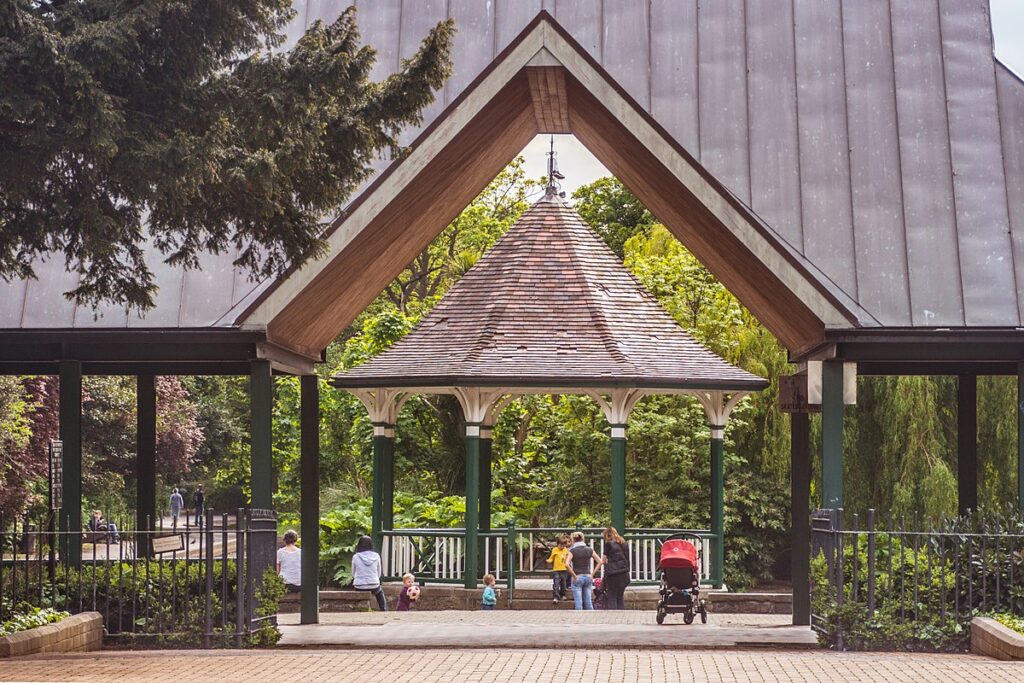
Dublin, the vibrant capital city of Ireland, is renowned for its rich history, cultural attractions, and thriving economy. With a booming real estate market, Dublin is also home to some of the most exclusive and sought-after neighborhoods in the country. In this blog, we’ll explore the top-tier neighborhoods where luxury meets elegance and discover what makes them so desirable.
Ballsbridge
Situated just south of Dublin’s city center, Ballsbridge exudes elegance and charm, making it one of the most prestigious and sought-after neighborhoods in Dublin. The neighborhood is renowned for its impressive Victorian and Georgian houses, which line the streets and create a captivating architectural landscape.
Ballsbridge offers a delightful blend of residential tranquility and convenient access to the city’s amenities. The neighborhood’s tree-lined streets and well-maintained gardens provide a serene atmosphere, perfect for leisurely walks and enjoying the beauty of the surroundings.
In addition to its residential appeal, Ballsbridge is also home to many embassies, luxury hotels, and renowned restaurants. These establishments contribute to the neighborhood’s cosmopolitan flair and create an atmosphere of sophistication.
Residents of Ballsbridge have access to a wide range of amenities within close proximity. The area features an excellent selection of upscale boutiques, specialty shops, and gourmet food markets, making it a haven for shopping enthusiasts and food connoisseurs.

Dalkey
Nestled along the picturesque coastline in South County Dublin, Dalkey is a charming village that captures the essence of seaside living. With breathtaking sea views, quaint streets, and a vibrant community, Dalkey has become one of the most exclusive neighborhoods in Dublin.
Dalkey’s stunning location offers residents the opportunity to enjoy the beauty of the Irish coast. From its rocky shores to sandy beaches, the neighborhood provides an idyllic setting for relaxation and outdoor activities. Whether it’s a leisurely stroll along the shore or a refreshing swim in the crystal-clear waters, Dalkey’s coastal charm is irresistible.
In addition to its natural beauty, Dalkey boasts a strong sense of community. The village center is filled with local shops, boutiques, and cozy cafes, creating a warm and welcoming atmosphere. Residents often gather at the charming local pubs, where live music and friendly conversations can be enjoyed.
Dalkey’s real estate is equally enchanting, with an array of luxurious homes that offer panoramic views of the sea and the village. The architecture ranges from quaint cottages to elegant period residences, blending seamlessly with the natural surroundings. Dalkey is also a magnet for celebrities and affluent individuals who seek privacy and a laid-back lifestyle. The neighborhood’s secluded ambiance combined with its proximity to the city center makes it an ideal retreat for those who desire both exclusivity and convenience.
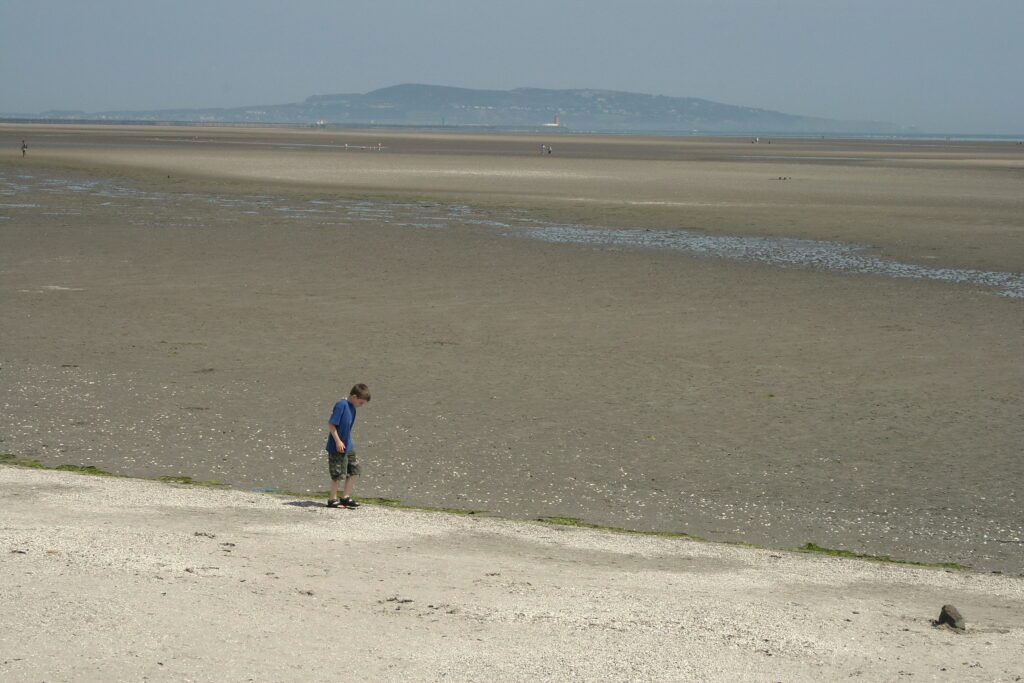
Sandymount
Situated along Dublin’s southeastern coastline, Sandymount is a serene and sought-after neighborhood that offers a peaceful retreat from the bustling city. This idyllic enclave is known for its tranquil atmosphere and coastal charm. Residents of Sandymount enjoy the perfect balance of natural beauty and convenience, with sandy beaches just a short stroll away and the city center easily accessible. The neighborhood features an array of architectural styles, ranging from period residences to modern homes, offering residents a diverse and captivating streetscape. Sandymount’s proximity to the sea, coupled with its welcoming community, makes it an enviable location for those seeking a peaceful coastal lifestyle.
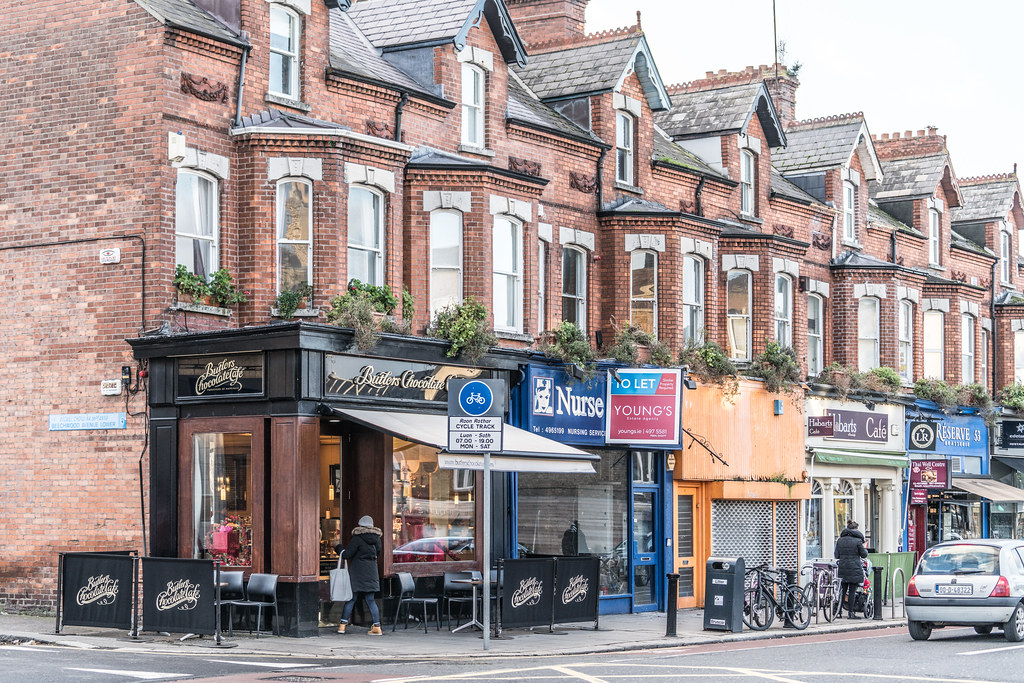
Ranelagh
Situated in the heart of South Dublin, Ranelagh stands as a dynamic neighborhood that embodies the spirit of urban living. This vibrant district is celebrated for its energetic atmosphere, bustling streets, and a strong sense of community. Ranelagh showcases an array of architectural styles, from charming Victorian houses to contemporary apartments, creating a visually diverse streetscape. The area is renowned for its eclectic array of cafes, restaurants, and boutiques, attracting food enthusiasts and fashion connoisseurs. With its central location and abundant amenities, Ranelagh remains a sought-after destination for those seeking a thriving urban experience.
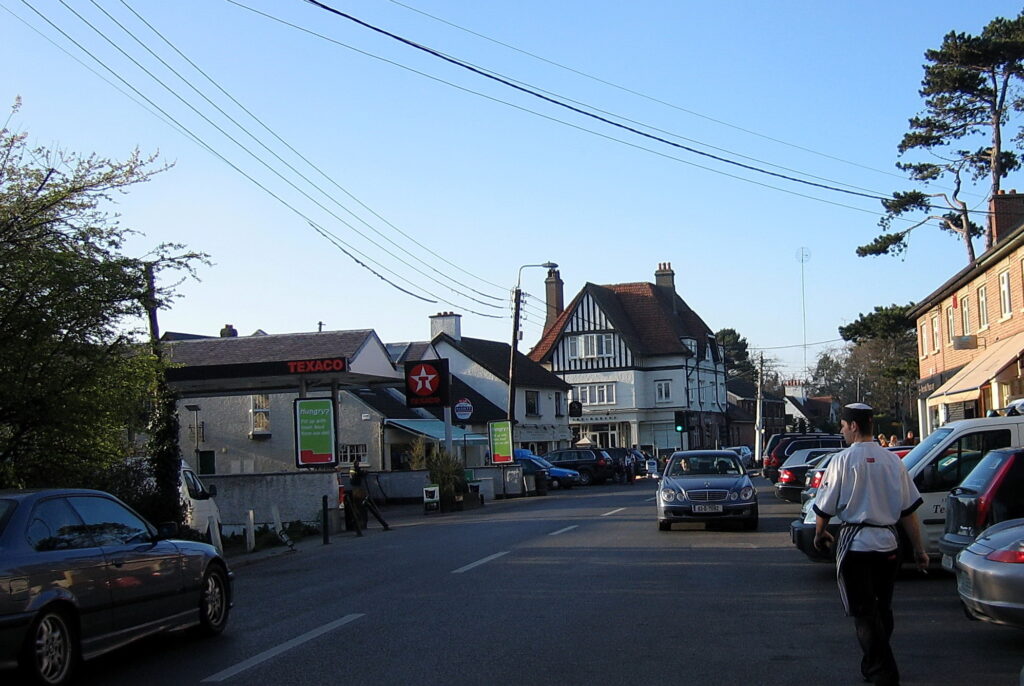
Foxrock
Welcome to Foxrock, a charming and affluent neighborhood located in the southern part of Dublin, Ireland. Known for its elegant architecture, green spaces, and sense of community, Foxrock offers a tranquil yet sophisticated lifestyle.
Foxrock boasts an array of stunning period homes, ranging from Georgian and Victorian residences to contemporary designs. The tree-lined streets create a peaceful atmosphere, perfect for leisurely walks. The neighborhood features an excellent selection of local boutiques, cafes, and restaurants, providing residents with delightful shopping and dining experiences.
For families, Foxrock offers access to well-regarded schools, both public and private, ensuring quality education for children. Nature lovers will enjoy the abundance of green spaces and parks nearby. The renowned Leopardstown Racecourse provides thrilling horse racing events, while the picturesque Foxrock Golf Club offers a scenic backdrop for golf enthusiasts.
Dublin’s luxury neighborhoods offer an exquisite living experience, combining elegance, charm, and convenience. From the historic allure of Ballsbridge to the coastal beauty of Dalkey, each neighborhood has its unique appeal. Sandymount provides a serene coastal retreat, Ranelagh offers a vibrant urban lifestyle, and Foxrock combines elegant architecture with a strong sense of community. These sought-after neighborhoods provide not only beautiful homes but also access to excellent amenities, top-notch schools, and a thriving local culture. Investing in these neighborhoods allows residents to embrace the finest aspects of Dublin living and enjoy a sophisticated and comfortable lifestyle in one of Ireland’s most desirable areas.
Best Neighborhoods to Live in Dublin: A Guide for Buyers and Renters

Dublin is a vibrant and diverse city, with many great neighborhoods to call home. Whether you’re looking to buy or rent, finding the right neighborhood can make all the difference. In this guide, we’ll take a closer look at some of the best neighborhoods in Dublin to live in based on factors such as affordability, amenities, and community.
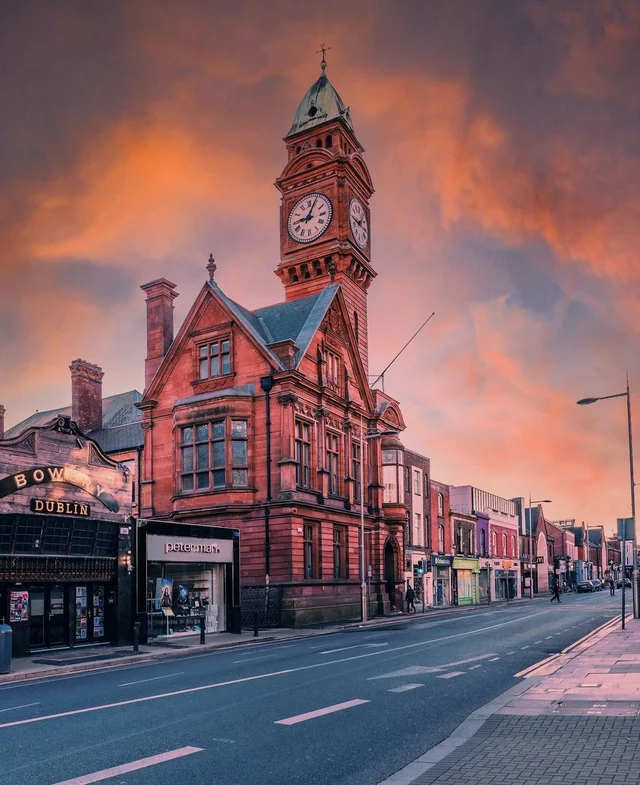
1. Rathmines
Rathmines, located just south of Dublin’s city center, is a highly desirable neighborhood with a rich history and vibrant atmosphere. Its beautiful Victorian architecture, tree-lined streets, and easy access to the city center via bus or Luas make it a popular choice for both buyers and renters.
One of the most distinctive features of Rathmines is its clock tower, which stands tall in the center of the village. Built in 1863, the clock tower originally served as a water tower for the village, holding a 120,000-gallon tank of water. Today, the clock tower is a symbol of the neighborhood’s rich history and has become an iconic landmark in the area.
Apart from the clock tower, Rathmines has a strong community spirit, with plenty of local events and festivals throughout the year. It offers a mix of historic charm and modern amenities, making it an attractive option for families and young professionals alike.
In terms of real estate, Rathmines offers a mix of period homes and modern apartments, with many properties retaining their original features such as fireplaces and high ceilings. The area is particularly sought after for its spacious red-brick terraced houses, which often have large gardens and period details such as stained glass windows and decorative cornicing.
For families, Rathmines has a number of excellent schools including St. Mary’s College, Rathgar Junior School, and Ranelagh Multi-Denominational School. There are also several parks and green spaces in the area, including Palmerston Park and Belgrave Square, providing ample opportunities for outdoor activities and relaxation.
For those interested in entertainment and culture, Rathmines has a diverse range of options. The Stella Cinema, a beautifully restored art deco cinema, is a must-visit for film enthusiasts. The Swan Leisure Centre offers a variety of fitness classes and activities for all ages, while the Rathmines Library hosts regular events and workshops.
Rathmines is a vibrant and charming neighborhood that offers a mix of historic charm, modern amenities, and community spirit. Its convenient location, strong sense of community, and range of housing options make it a highly desirable area for both buyers and renters in Dublin.
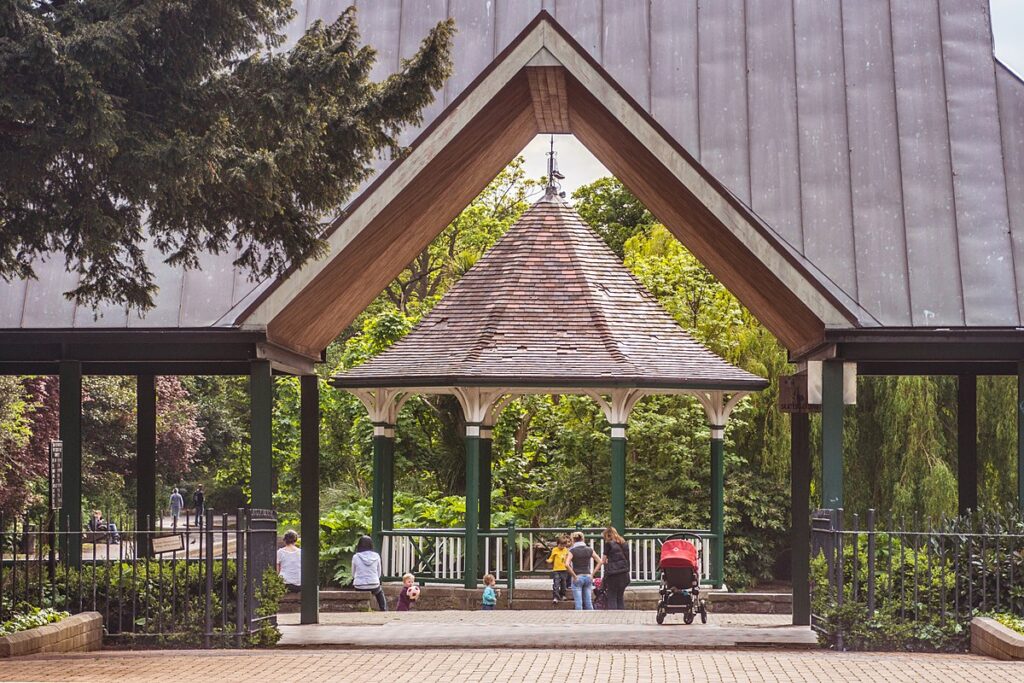
2. Ballsbridge
Ballsbridge, located on the south side of the River Liffey, is known for its luxurious residential areas, upscale amenities, and stunning Georgian architecture. The neighborhood is home to many embassies, which adds to its sophisticated charm.
In addition to its opulent housing, Ballsbridge is also known for its green spaces. Herbert Park, in particular, is a popular spot for picnics, walks, and outdoor activities. The park spans over 32 acres and features a duck pond, children’s playground, and several sports facilities.
Ballsbridge is a great option for those looking for a more laid-back atmosphere compared to the hustle and bustle of the city center. It offers a variety of excellent restaurants, cafes, and bars, many of which are located along the famous Pembroke Road. The area is also home to several high-end shops and boutiques, as well as the Aviva Stadium, which hosts concerts and sporting events throughout the year.
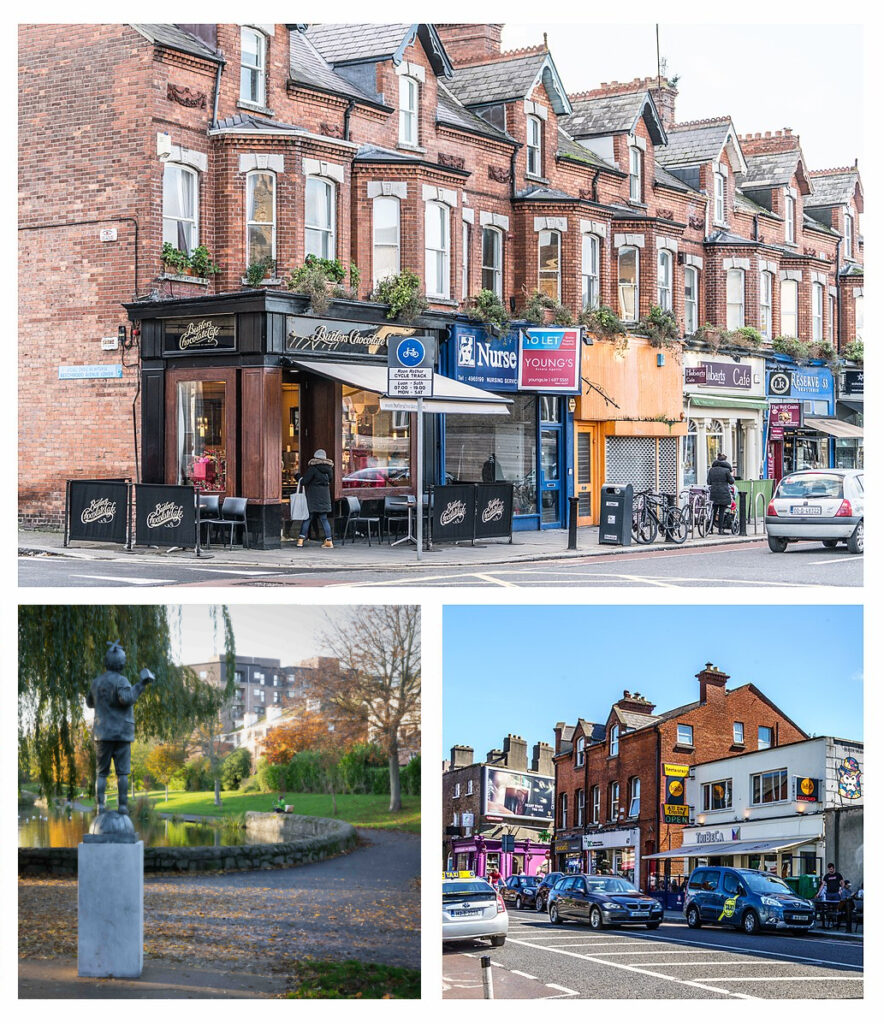
3. Ranelagh
Located just south of Rathmines, Ranelagh is a popular and trendy neighborhood in Dublin that has something for everyone. The area is known for its charming streets, beautiful architecture, and lively food and drink scene. Ranelagh offers a great selection of restaurants, cafes, and bars, catering to all tastes and budgets, making it a perfect spot for foodies.
In addition to its dining options, Ranelagh is home to many parks and green spaces, providing residents with an abundance of outdoor space to enjoy. The nearby Dodder River offers a peaceful escape from city life, and the canal walk is perfect for jogging, cycling, or a leisurely stroll.
Ranelagh’s central location also means it’s well-connected to other parts of Dublin. With convenient access to the city center via bus, Luas, or a short walk, it’s an ideal spot for those who want to be close to the action while still enjoying a quieter lifestyle.
Whether you’re a young professional or a family, Ranelagh offers something for everyone. With its vibrant and lively atmosphere, beautiful surroundings, and convenient location, it’s no wonder it’s becoming an increasingly popular choice for those looking for a great place to live in Dublin.
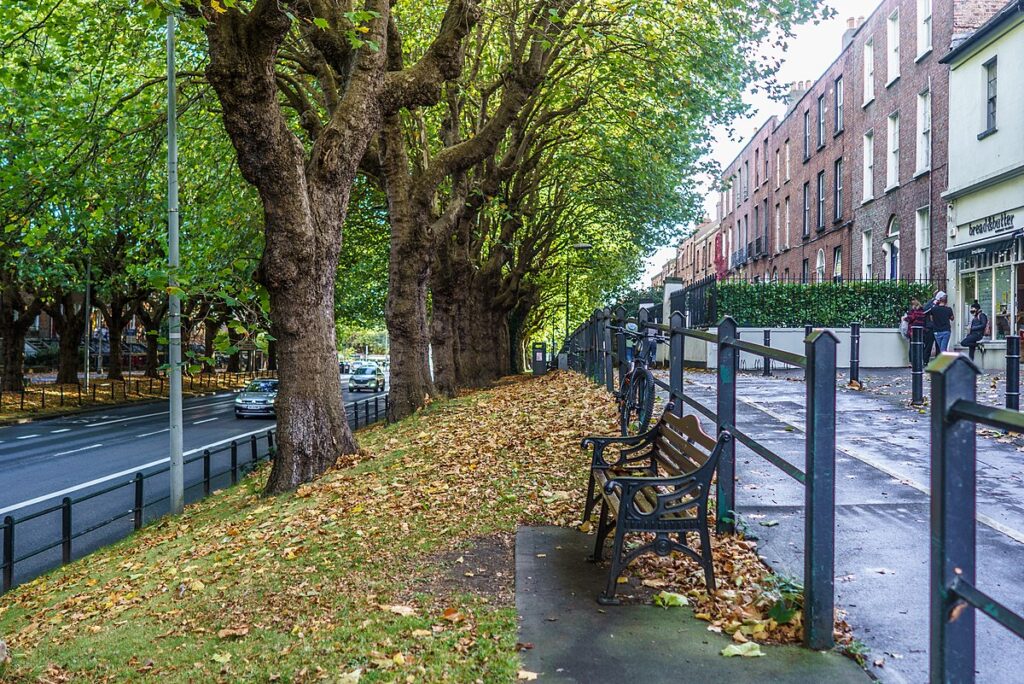
4. Drumcondra
Drumcondra, located on the north side of the River Liffey, is a tranquil neighborhood that provides easy access to the city center. In addition to the famous Croke Park stadium, it boasts many parks and green spaces, making it an ideal option for those who enjoy spending time outdoors. The area also has a wide range of schools and amenities, making it a great choice for families. Drumcondra may not be as bustling as some of the other neighborhoods in Dublin, but its peaceful atmosphere and convenient location make it a desirable place to live.
5. Portobello
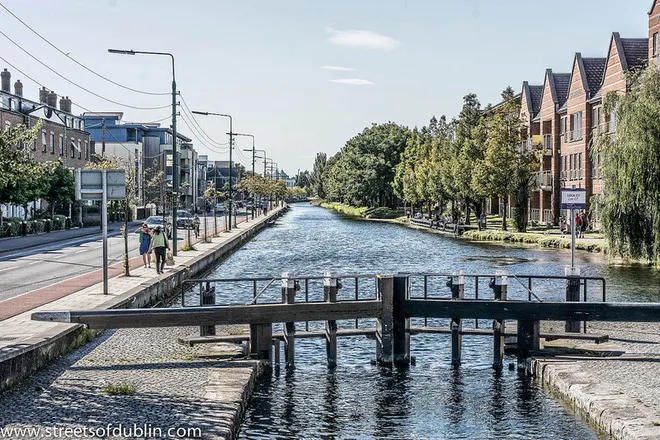
Located just south of the city center, Portobello is a diverse and eclectic neighborhood known for its charming canal-side streets and great food scene. It’s home to many independent shops and cafes, as well as easy access to public transportation. Portobello has a strong sense of community, with many local events and festivals throughout the year. It’s a great option for both families and young professionals, with plenty of parks and green spaces to enjoy.
Dublin has many great neighborhoods to choose from, each with its own unique character and charm. Whether you’re looking for a bustling neighborhood with a vibrant atmosphere like Rathmines or Ranelagh, or a more laid-back and upscale neighborhood like Ballsbridge, there’s a neighborhood for every lifestyle and budget in Dublin. So start exploring and find your perfect Dublin home!
Understanding the Irish Housing Crisis: Factors and Causes.

The phrase “housing crisis” has become all too familiar in Ireland today, with the media bombarding us with buzzwords such as “vulture funds”, “social housing”, and “cuckoo funds”. Despite this constant stream of information, we have only a vague understanding of the specific root causes that led us to this situation. In this blog, we aim to provide a chronological account of the events that contributed to the current housing crisis. To make this information more digestible, we have provided a condensed summary of the key points at the bottom of the blog.
The Celtic Tiger
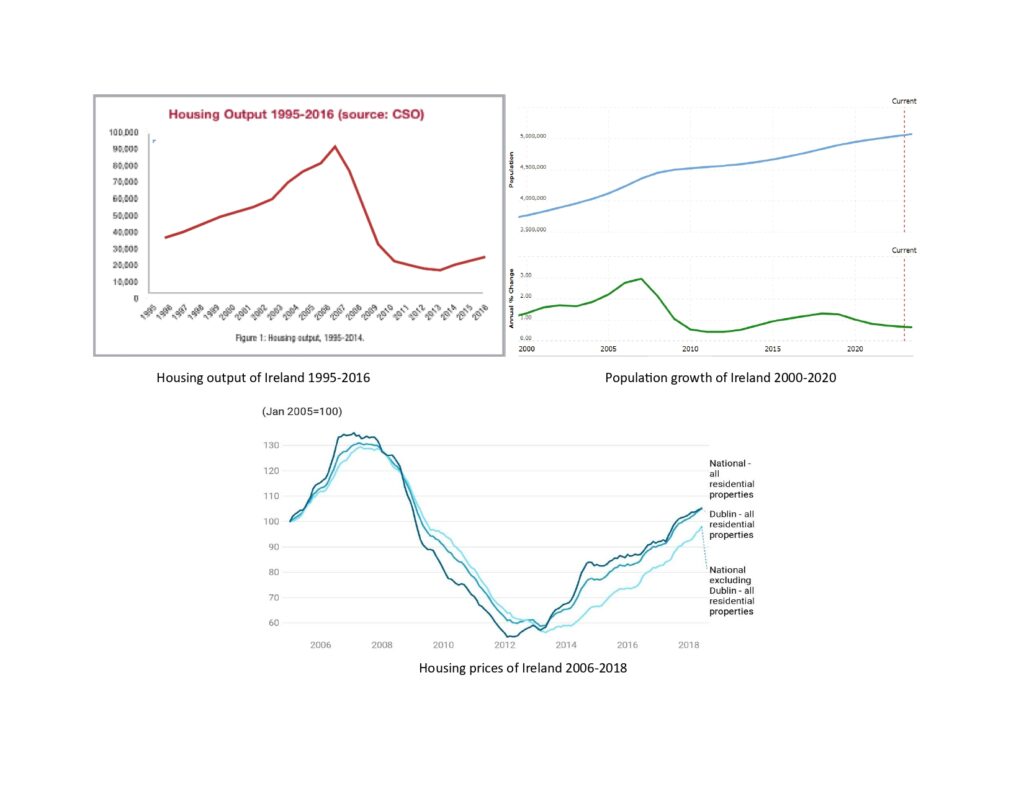
The housing situation we face today can be traced back to the Celtic Tiger era in Ireland, when the economy was booming and GDP increased by 229%. This led to a construction and housing boom, resulting in over 90,000 dwellings being built in 2006 alone. However, at the height of the Celtic Tiger, the government made a critical mistake by ceasing the construction of social housing, which introduces affordable homes into the market and prevents private companies from pricing residential properties exorbitantly. By placing the responsibility of building affordable housing solely in the hands of private corporations, the government failed to consider the long-term impact of their decision. While this may have made sense during the housing boom, it left the public at the mercy of corporations whose primary objective is to benefit their shareholders, not the people. This lack of foresight has contributed to the current housing crisis.
The Housing Crash Occurs
During the Celtic Tiger era, bank loans were not adequately regulated, resulting in a large number of Non Performing Loans that were not being paid back. When the market crashed, construction came to a complete halt, and although home prices dropped, the lack of construction led to a significant shortage of dwellings. In 2014, only 10,000 units were built, a stark contrast to the 90,000 homes built in 2006. As the population of Ireland continued to increase, the supply of homes dwindled. Private corporations were the only ones building homes, and they were free to charge exorbitant prices. This was compounded by the government’s decision to stop building social housing during the Celtic Tiger era. While only 10,000 homes were built in 2014, the overall price of housing rose by 16.4%.
Introducing Vulture Funds
During the Celtic Tiger, Irish banks faced a significant number of Non-Performing Loans that they could not manage. To alleviate their burden, they sold all these loans to Foreign Property Funds at heavily discounted prices, commonly known as vulture funds. These funds would then pursue financially struggling families and individuals relentlessly through the legal system, often resulting in the repossession of properties. The Irish government actively facilitated this practice by providing tax breaks to encourage foreign firms to invest in the domestic housing and mortgage market. Additionally, the legal system enforced the right of these funds to collect the full value of the loan instead of what they paid for it. Although the NPL ratio decreased, the cost of these actions was borne by homeowners, with non-banks now owning 54% of all loans over one year in arrears. Repossessions continue, with court officials sidelining homeowners.
To break it down in very simple terms vulture funds bought debt at heavily discounted prices, resulting in the repossession of properties through the legal system, actively facilitated by the Irish government through tax breaks and legal enforcement. This resulted in more property being taken out of the hands of Irish citizens and into the hands of foreign corporations.
The Impact of Cuckoo Funds on the Irish Property Market
Cuckoo funds are large investment firms that buy up large numbers of residential properties in Ireland with the intention of renting them out, rather than selling them on the open market. They are named after the cuckoo bird, which lays its eggs in other birds’ nests and leaves them to be raised by the unwitting host bird.
In recent years, cuckoo funds have become a controversial issue in Ireland, as they have been blamed for driving up property prices and making it more difficult for young people and first-time buyers to get onto the property ladder. These funds are often able to outbid individual buyers, and they can offer cash deals and quick sales, which can be very attractive to sellers who want to sell quickly.
The impact of cuckoo funds on property prices in Ireland is complex, and opinions are divided. Some argue that they have helped to boost the supply of rental properties, which has made it easier for people to find homes to rent. However, others argue that their presence has made it more difficult for individuals to buy homes, as they are often outbid by these large investment firms.
There are concerns that cuckoo funds could have a negative impact on the wider economy as well. If property prices continue to rise rapidly, it could lead to a housing bubble, which could ultimately burst, leaving many homeowners in negative equity. This could have knock-on effects on the wider economy, leading to a recession or even a financial crisis.
In response to these concerns, the Irish government has introduced a number of measures aimed at curbing the influence of cuckoo funds. For example, it has introduced a 10% stamp duty on the purchase of 10 or more residential properties in Ireland. It has also introduced measures to encourage more first-time buyers onto the property ladder, such as the Help to Buy scheme.
Cuckoo funds have become a controversial issue in Ireland, with many people blaming them for driving up property prices and making it more difficult for young people to buy their own homes. While the impact of these funds on the wider economy is difficult to predict, it is clear that the Irish government is taking steps to try to mitigate their influence and promote more affordable and accessible housing options for everyone.
To summarize some of the main causes of our current housing climate are:
- The Celtic Tiger causing the halt of social housing in Ireland
- The recession stopping the construction of dwellings.
- Vulture funds seizing property assets from the people of Ireland
- Banks having stricter mortgage regulations for developers slowing down the process of building new dwellings
- Cuckoo funds buying new residential developments and reintroducing them into the market at unaffordable prices.
There are myriad reasons why our country finds itself in the difficult situation it currently faces. While the housing crisis is one of the most pressing issues, it’s important to acknowledge that solving it won’t be a quick fix – it will take years of sustained effort. However, what is clear is that the lack of action from our government speaks volumes about the competency of those currently in power. Rather than taking steps forward, we seem to be moving backwards, and unless emergency measures and swift actions are taken, we risk being stuck in this situation for decades to come.
How to claim Rent Tax Credit Ireland 2023

The Rent Tax Credit was brought into legislation in December of 2022. To some people the topic of taxes and tax credits can be daunting and arduous however, if you follow this guide claiming your Rent Tax Credit will only take 5 minutes!
How is it calculated?
Before we go into the step by step guide it’s important to know how the figure you receive is calculated. The Rent Tax Credit is 20% of the total rent you have paid in that year. If you have paid 1500 so far in the year and you decide to claim Rent Tax Credit you will receive 300. The limit of this is 2500 euro so the maximum claim you can make is 500 euro.
With this in mind you can maximize your Rent Tax Claim by waiting until you have paid 2500 in rent that year to claim the full 500 instead of just claiming it as soon as possible.
What you will need
- Revenue login details
- PPS Number
- Start and end date of your tenancy
- Property address and Eircode
- Landlord or managing agency name
- Figure for total rent paid in the year
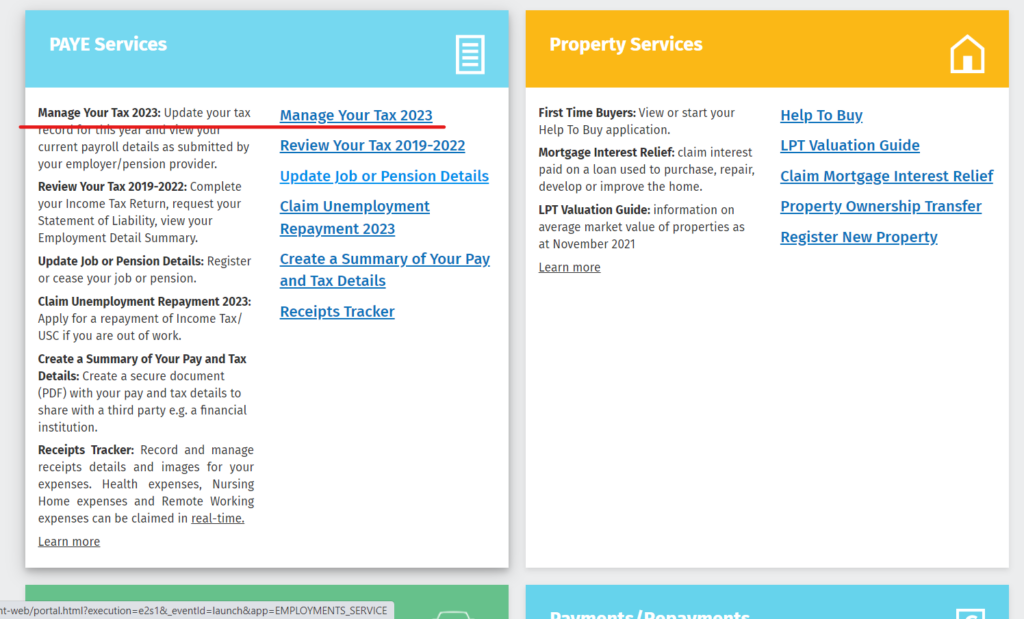
Step 1: Log into myAccount on Revenue and go into “Manage Your Tax”
Go to revenue.ie and under PAYE services you will see a section saying “Manage Your Tax 2023”
Step 2: Scroll down to Tax Credits and click Add Tax Credit.
After clicking into the Manage your Tax you can scroll down and you’ll find a Tax Credits section. Here you can add new credits. Once you select Add Tax Credit you will find the Rent Tax Credit under the Family section.
Step 3: Proceed to fill in the information requested.
Make sure to pay extra attention to the small red star * next to the boxes. Some information that might be a hassle to acquire such as your RTB number aren’t actually necessary to claim the Rental Tax Credit.
Step 4: Submit
Claiming the rent tax credit is a straightforward process. You just need to calculate how much rent you paid during the year and use that to determine your credit. It’s an easy way to lower your taxes and keep more of your money.
Boost Your Home’s Value: Creative Ways to Add Value Before Selling
If you’re planning to sell your home, you’re likely looking for ways to make it more appealing to potential buyers and increase its selling price. While traditional home improvements like renovating the kitchen or upgrading the bathrooms can certainly add value, there are also creative ways to boost your home’s value that you may not have considered. As experts in the real estate industry, Youngs Estate Agents is here to share some insider tips on how to add value to your home in unique and creative ways.
1: Curb Appeal Matters
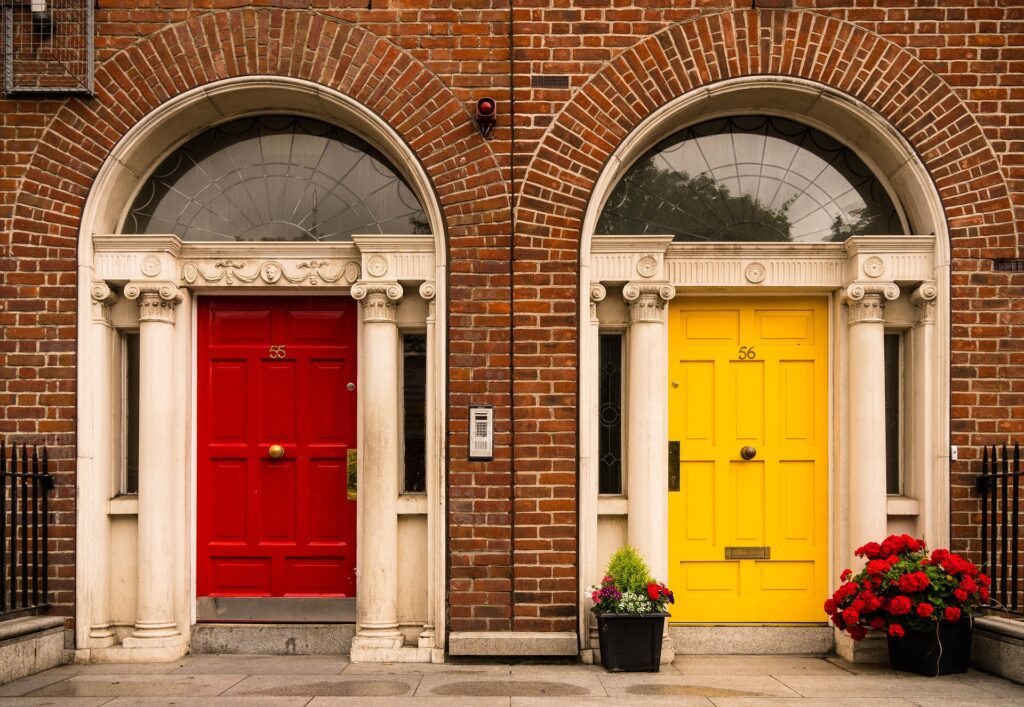
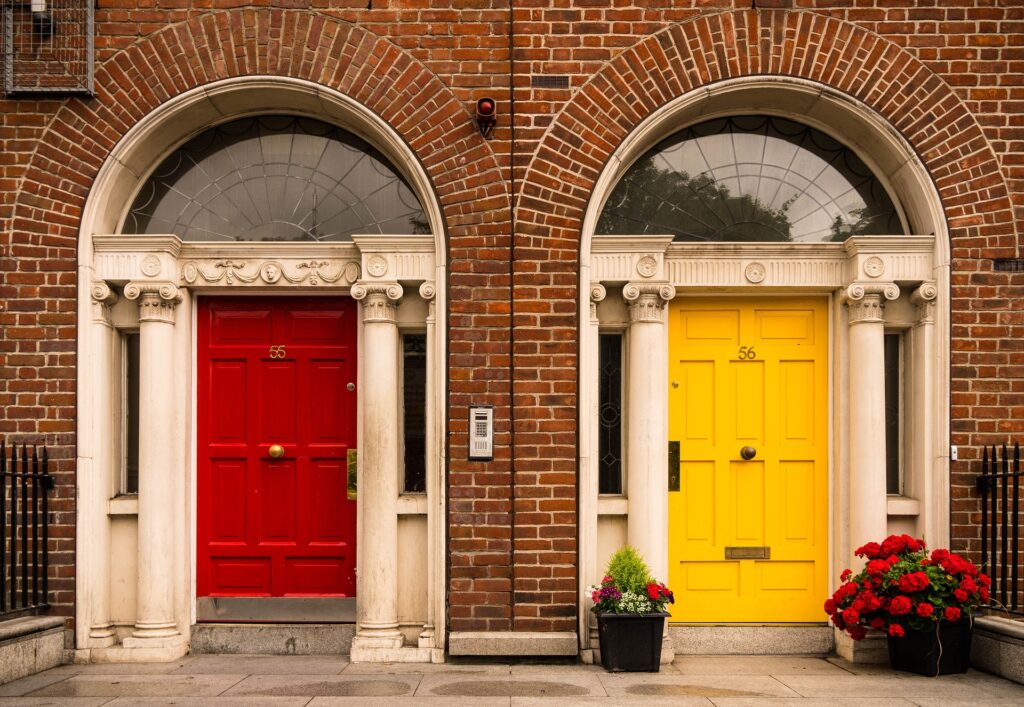
Enhance Your Home’s Exterior The first impression matters, and potential buyers often make judgments about a home based on its curb appeal. Enhancing your home’s exterior can be a cost-effective way to add value. Consider simple yet impactful improvements like painting the front door, adding a new mailbox, updating outdoor lighting, and planting colorful flowers. These small changes can instantly transform the look of your home and create a welcoming atmosphere that entices potential buyers.
2: Create Multi-functional Spaces
Maximize Usability Buyers are always looking for functional spaces that meet their needs. Consider transforming an underutilized space in your home into a multi-functional area. For example, you could convert a small nook into a cozy reading corner, set up a home office in an unused corner, or turn a basement into a game room. Creating multi-functional spaces not only adds value to your home but also showcases its versatility and potential to accommodate various lifestyle needs.
3: Upgrade Your Home’s Technology
Embrace Smart Home Features Technology has become an integral part of our lives, and smart home features are increasingly in demand among homebuyers. Consider upgrading your home with smart home devices such as a smart thermostat, smart security system, or smart lighting. These features not only add convenience to daily living but also enhance the perceived value of your home in the eyes of potential buyers.
4: Enhance Energy Efficiency
Save Money and Attract Buyers Energy-efficient homes are not only environmentally friendly but also cost-effective in the long run. Consider making energy-efficient upgrades such as installing LED lighting, sealing air leaks, upgrading insulation, and investing in energy-efficient appliances. These upgrades can help you save on energy bills and also appeal to environmentally-conscious buyers who value sustainability and long-term cost savings.
5: Tell a Story
Highlight Unique Features and History Every home has its unique features and history, and highlighting them can create a sense of emotional connection with potential buyers. For example, if your home has a historical significance, architectural uniqueness, or interesting anecdotes, be sure to share them in your marketing materials and during home showings. Such stories can capture buyers’ imagination and make your home stand out from the competition.
6: Stage Your Home
Create a Welcoming and Inviting Atmosphere Proper staging can make a huge difference in how potential buyers perceive your home. Consider hiring a professional home stager to create a welcoming and inviting atmosphere that highlights your home’s best features. From rearranging furniture to adding decorative accents, staging can help potential buyers visualize themselves living in your home and ultimately lead to higher offers.
As you prepare to sell your home, it’s important to think outside the box and consider creative ways to add value. By implementing strategies such as enhancing curb appeal, creating multi-functional spaces, embracing smart home features, enhancing energy efficiency, sharing unique stories, and staging your home, you can make your property stand out in a competitive market. These creative approaches can not only increase your home’s value but also capture the hearts and minds of potential buyers. So, whether you’re a seasoned seller or a first-time homeowner, consider these creative tips from Youngs Estate Agents to make the most of your home sale. Get ready to showcase the true potential of your home and maximize your return on investment!
Share with others
How Adding a Splash of Colour Can Help Increase the Value of Your Property For Sale

When selling your property, it’s tempting to create a list of updates to complete before it goes on the market. Updates are surefire ways to increase the value of your property. They can also be surefire ways to a never-ending to-do list, and an overwhelming experience as you try to make a sale.
The trick is to focus on updates that will increase the value of your property while not exhausting your budget – or energy – in the process. With conflicting advice from friends, family, and blogs about which updates are truly meaningful and will provide a great return, it can be hard to pick what feels like the right place to start.
Here’s the truth: it doesn’t always take a major renovation to see a significant increase in your property’s value. Small updates can make a huge difference if they’re done thoughtfully. Below, we share 4 tips around using splashes of colour to increase the value of your property – hopefully leading to a speedy, lucrative sale.
Colourful appeal
The obvious place to start is with the exterior walls of your property. It may feel like a significant undertaking, but a fresh coat of exterior paint is like a face lift for your home or building. It’s a prospective buyer’s first impression of your property, so you want it to be a good one.
A fresh coat of exterior paint offers a rich, friendly colour to draw buyers in. Adding a new coat can also go a long way in covering any previous chips or fading colours in the paint – making your property feel updated, fresh, and ready for a new buyer.
Eye catching accessories
In addition to the structure itself, things like letterboxes, fences, and other exterior features also contribute to a property’s appeal. Adding a bold coat of paint to these accessories can work wonders, making them look brand new.
Eye-catching accessories are nice to look at, which can help with the sale of your property. More importantly, they send prospective buyers the message that the property has been well maintained and looked-after in every detail.
Style in specific areas
Repainting every room of your house is an overwhelming proposition. It’s ambitious and frankly, often not necessary. Focusing on specific areas let’s you add visual interest and leverage current trends without breaking your back tackling every single room.
Painting an accent or focus wall lends a remarkable update to a specific space. It breathes new life into a room and gives you a chance to do a simple update that buyers can’t help but notice as they tour your property.
Beyond the paint tin
Adding a ‘splash of colour,’ naturally leads many people to think of paint. But there are other ways you can add colour to your property to send the message that it’s well-maintained and updated for a new owner.
Art on the walls, accessories like candles, vases, and trinkets, and even fresh flowers that are used for staging a home add a bright and friendly pop of colour to your property. If you think beyond the paint, you’ll find many ways to incorporate colour in unexpected ways.
Breaking the sale of your property into manageable pieces is a great strategy to successfully deal with what can feel like a stressful undertaking. By adding splashes of colour here and there, you can add real value to your property without investing a disproportionate amount of work.
One last piece of good news: updating your property for a sale also means you get to live in an updated space until the sale is final! Don’t forget to enjoy the process as much as you can.
Share with others
Romantic Picnic Destinations for Your Next Date

There’s nothing more pleasant than a picnic on a lovely, sunny Dublin day. Except sharing a picnic with someone you love. Finding a romantic picnic destination for your next date is easy when you live someplace as beautiful as Dublin.
In our area of the country, we’re lucky to have several swoon-worthy destinations to take a date for a lovely picnic date. Places you can enjoy the scenery and the company, and places that are unique to Dublin and our neighboring areas. Below we list a few of our favorite places to bring your date for an al fresco lunch.
Herbert Park (Ballsbridge)
Though it’s a relatively small park, Herbert park is a gorgeous Dublin park full of history. The park was originally opened in 2011 and features a lovely walking trail and beautiful flowers and trees throughout. In addition to the landscape, the park provides lots of opportunities for recreation, with tennis courts, a playground, picnic shelters and a bandstand.
St. Stephen’s Green (Dublin City)
On the other hand, if you’re interested in finding a piece of tranquility for your picnic while still deep inside of Dublin, look no further than St. Stephen’s green. The lush park is quiet and relaxing, providing a very quiet spot to soak up nature’s offering, and to truly connect with and enjoy your company.
Irish National War Memorial Gardens (Dublin City)
On the bank of the Liffey lies a memorial garden that’s stunning and historic all year-round. For a particularly lovely show, visit the Gardens in July or August, when the rose gardens are at their peak and provide an incredible backdrop for a romantic lunch or dinner outside.
Iveagh Gardens (Dublin City)
The Gardens at Iveagh are, in our opinion, one of the most beautiful places you can find in the city. Unlike some of the more popular parks across Dublin, Iveagh Gardens is often quiet and peaceful, with few people settling in for the afternoon. The park features include charming trickling waterfalls and a rose garden, providing the perfect ambiance for your romantic picnic date with that special someone.
National Botanic Gardens (Dublin City)
Botanical Gardens are almost always a safe bet for a lovely, nature-filled experience, and this one is no exception. You’ll be impressed by the 19.5 hectacres coming right up next to the River Tolka. But the most stunning place for a picnic is just outside one of the gardens exquisitely restored and fully planted glasshouses. The Great Palm house in particular is a stunning example of conservation architecture and will provide a gorgeous backdrop for your date.
The Dublin Zoo (Dublin City)
If your date is more the animal type than the nature trail or botanical lover, consider a trip to the Dublin Zoo for a picnic among the exotic animals. In addition to the stunning exhibits (often including brand new baby animals!) the grounds of the zoo provide a spectacular foundation for the lunch date of your dreams.
Howth Summit (Howth)
If you’re interested in traveling slightly outside the bustle of the city, consider driving or taking a bus to the lovely coastal point at Howth. The cliff-walk in Howth is not to be missed, with stunning views and sweeping vistas. Any spot you choose along the walk will be sure to impress your date.
We live in an incredible city, filled with green spaces, parks, and other unique and romantic picnic destinations for your next date. They’re sure to provide an unforgettable outdoor meal. Take advantage of these places for your next picnic date – we’re sure you – and your date – will not be disappointed.
Share with others
Selling Your First Home: 5 Tips to Getting What You Want

Selling your first home can be an emotional roller coaster. It can be difficult to believe that you’ll ever get what you want from the sale.
When you’ve invested time and energy into making your home exactly what you want, it can be hard to imagine someone else calling it home. In addition, you have years of fond memories and positive associations with the first home you purchased and settled into.
All that said, there are likely good reasons you’ve decided to sell your home. Whether you need more space, are ready for a change of scenery or neighbourhood, or are in a great market that’s sure to earn you a profit, deciding you’re ready to make the leap is something you won’t take lightly.
After you’ve made the decision to sell, the real stress begins. How can you be sure that you’re getting what you want when you’re selling your first home? Below, we outline 5 tips to help ensure you get what you want from the sale of your first home.
Invest in Curb Appeal
You know what they say: first impressions are everything. Sellers often make the mistake of believing their home’s interior will impress, while neglecting parts of the home’s exterior. Your home’s exterior forms every buyer’s first opinion of your home, and will inevitably affect how they perceive the value of your home.
Before you list your home, consider having a couple trusted friends drive by and give feedback. And then walk out front yourself and try to see what potential buyers would see if they were approaching the home for the first time. Sometimes, simple fixes like adding a few plants, coating the front door with fresh, bright paint, and making sure all lights are in working order can be enough to spruce up your home from the street level.
Construct a Pricing Strategy
Different pricing strategies work better for different situations, but at the end of the day it comes down to knowing what your home is worth in your market. Do your research and find comparable sales in recent years so your home’s price is grounded (in something other than the amount of money you’d like to make).
When you feel you have a ballpark range, one strategy to consider is pricing low. With this approach, you potentially attract a large pool of potential buyers and can negotiate with real power. On the other end of the spectrum, you could price your home higher than market value, with the hope that you’ll ultimately land right around the price that’s right for the market, but still profitable for you.
Play to Your Home’s Strengths
When it comes to the interior of your home, things can get overwhelming quickly. Focusing on every detail in every room is the quickest way to lose motivation. Accept that you’ll never make everything perfect, and instead focus on what makes your home truly unique.
Maybe you have a fireplace with historic character, or extra large bedrooms that let in great light. Play to your home’s strengths and highlight these areas with lighting or fresh paint or curtains. These visual cues will draw the eyes of potential buyers and keep them focused on the best parts of your home.
Go Easy on the Upgrades
It’s tempting to get carried away looking for places to upgrade your home before a sale. A new kitchen or bathroom, or even knocking down a wall might feel like a dramatic way to make a statement and impress potential buyers.
There’s no way to make a major upgrade that’s not influenced at least in part by your personal tastes. And while your tastes may be refined and sophisticated, they won’t be everyone’s cup of tea. Instead of investing heavily in something that may not work for every buyer, consider small refreshes instead. A coat of paint and new hardware for cabinets and doors can go a long way in polishing your home so it’s ready for showings.
Don’t make it personal
This is your home. You’ve spend years carefully hanging family photos and collecting trinkets that are meaningful to you to fill the shelves. Now that it’s time to sell, it’s also time to strip away these elements that are personal to you so you can help your buyers focus on the home – not the people who have been living in it.
Your goal is to create an environment that’s warm and welcoming, but fairly impersonal. Each prospective buyer should be able to see themselves in the walls of your home. Stripping out the details that make your home uniquely yours will help each buyer envision their life there – eating dinner at the table and hanging their own photos on the wall. Ultimately, this will not only help close the sale – but also make sure you are getting what you want from the sale.
Share with others
Pagespeed Optimization by Lighthouse.

Our Office:
Young’s Estate Agents
Elmwood House,
35 Ranelagh,
Dublin 6
Directions
General enquiries:
01 4975581
info@youngs.ie